

The authoritative independent voice of the UK food industry

The authoritative independent voice of the UK food industry

News

Gene editing could help achieve net zero goals, says NFU

29 Sep, 2021

The National Farmers’ Union has welcomed the new plans published by the government to help UK farmers grow “more resistant, more nutritious and more productive crops” via gene-editing technology.

Interested in reaching the food industry?

Explore our media pack for all of our advertising opportunities and partnership options.

The National Farmers’ Union (NFU) has welcomed the new plans published by the government to help UK farmers grow “more resistant, more nutritious and more productive crops” via gene editing technology.

The plans were released as part of the government’s response to a recent gene editing consultation. The government’s focus will be on plants produced by genetic technologies, where genetic changes could have occurred naturally or could have been a result of traditional breeding methods.

Secretary of State for Environment, Food and Rural Affairs George Eustice said: “Gene editing has the ability to harness the genetic resources that nature has provided. It is a tool that could help us in order to tackle some of the biggest challenges that we face – around food security, climate change and biodiversity loss.”

“Lower emissions and less waste”

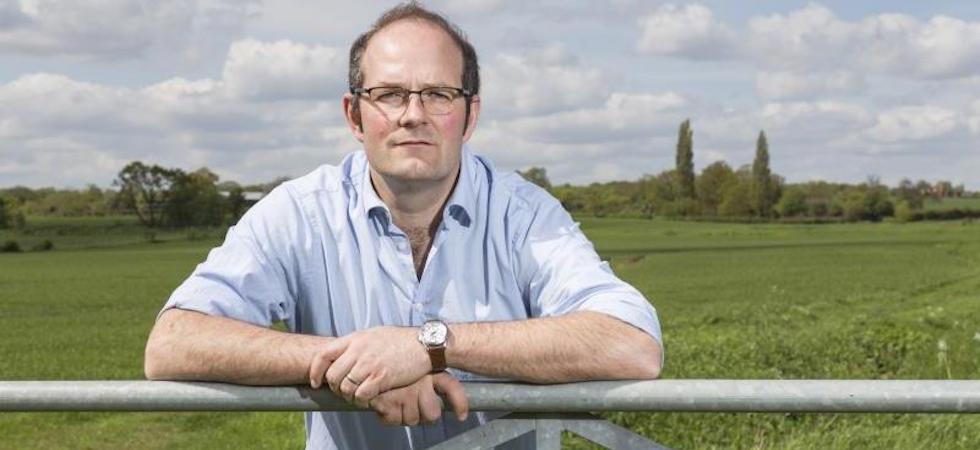
NFU vice president Tom Bradshaw said: “It is very encouraging to see the government’s view that new precision breeding techniques, such as gene editing, have the potential to offer huge benefits to UK farming, the environment and the public, and will be vital in helping us achieve our climate change net zero ambition.

“The world’s climate emergency points to the urgency of applying this technology to farming and this announcement is an important first step towards a properly functioning legislative system.”

NFU has said that the new gene editing tools could have several advantages for farming, from addressing pest and disease pressures on crops and farm animals and improving animal health and welfare, to increasing farmers’ resilience in the event of extreme weather events such as flooding and drought and benefiting the environment through more efficient use of resources.

Bradshaw added: “This would mean lower emissions and less waste, allowing British farmers to farm more sustainably and profitably.”

The vice president explained that precision breeding technologies should also help in the development of foods with “direct benefits to the public; better quality, increased nutritional value and products with a longer shelf life.” He continued: “We know gene editing is not a silver bullet. But if we are to make this a success, any new government regulation must be robust, fit for purpose and based on sound science.”

He added: “British farming is innovative and ambitious and by seeking to use more sophisticated and targeted breeding tools for our crops and livestock, we can continue to produce sustainable, climate-friendly food well into the future.”

NFU has said it aims to work with Defra to ensure the right legislative system is in place, not only to drive research but also to provide a route to market for improved varieties and breeds.

Latest News

Co-op Group chair Debbie White steps down

The Co-op Group has announced that Debbie White has stepped down as chair and member of the Board. She will be replaced by Moni Mannings OBE as interim chair.

Celebrating inspirational women in the meat industry.

Final deadline for voting in the Women In Meat Industry Awards is Wednesday 26th August. Click here to vote now!

Everything you need to know about the Food Management Industry Awards can be found through our dedicated website.

Some of the leading companies that have participated in the Food Management Today Industry Awards...

The end of volume-led growth?

The end of volume-led growth?

Research in IGD’s latest UK Away From Home forecast suggests a shift away from traditional market behaviour, says senior insight analyst Shannon Goldsmith.

Seafish sets seafood business needs at heart of new Annual Plan 

Colin Faulkner, Seafish CEO, outlines the three fundamental pillars that underpin the organisation’s 2026/27 strategy.

Industry collaborations are key to confidence at Harper Adams University

Principal lecturer and placement manager at Harper Adams Alastair Boot highlights how the university provides value for students and industry through close working relationships.

The end of volume-led growth?

Research in IGD’s latest UK Away From Home forecast suggests a shift away from traditional market behaviour, says senior insight analyst Shannon Goldsmith.

Cheese shredding solutions by Urschel

Leading cheese processors rely on optimised dicing and shredding solutions supplied by Urschel.

The Multivac Total Offer: end-to-end lifecycle support

Streamline your operations with a joined-up approach to equipment, materials and service solutions from Multivac.

Revolutionise your sterilisation: how the Static Steriflow solves real production challenges

Interfood Technology talks to Food Management Today about the Static Steriflow, engineered for versatility and reliability in food production environments.

Sign-up for our newsletter and alerts

"*" indicates required fields

Name*

Which emails would you like to receive from us?

Please select an option*
* By subscribing or opting in to any communication you also give permission for us to send you occasional general information updates about this media portfolio. You can opt out or change your preferences at any time.